The first time a principal walked me into an autistic support classroom and asked, “So what do you think?”, I could feel her bracing for a long list. And honestly, I didn’t need one. I’d already learned more in the first 10 minutes than I would have in an hour of reading paperwork.
After almost 20 years in special education, including a decade running my own autistic support classroom and three and a half years coaching more than 100 teachers, I’ve found that a room tells you how it’s really working before anyone says a word. You don’t need a fancy rubric. You just need to know where to look.
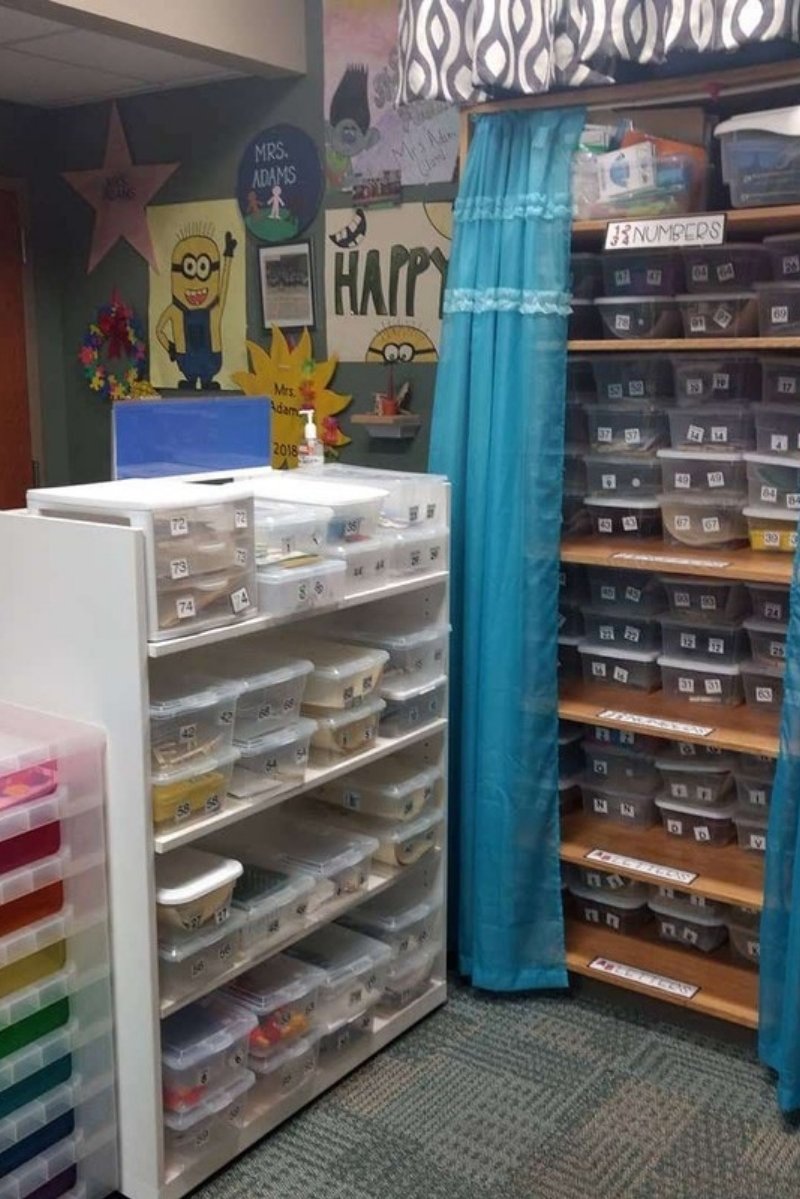
Here are the five things I look for first.
1. Can a student tell what happens next without asking an adult?
This is my first question in every autistic support classroom. I watch a transition and notice where students look. If they look at a visual schedule, a first-then board, or a work system, the structure is doing its job. If every student looks at an adult, the adults have become the schedule.
That’s exhausting for staff, and it’s hard on students. When students can’t predict their day, behavior often fills in the gap.
What helps: individual visual schedules that students actually check, taught as a routine and not just posted as decoration.
2. Does every adult know their job right now?
I count the adults in the room and then watch what each one is doing. In a lot of rooms I visit, there are three or four caring, capable adults, and at least one of them is waiting to be told what to do. Not because they don’t care. Because nobody handed them a plan.
What helps: a one-page plan for every adult, by time of day. Who’s at which station, who takes data on which goal, and who handles breaks. Taped inside a cabinet door works great.
3. Is there a clear way for students to show “I’m finished”?
Independent work usually falls apart at the end, not the beginning. A student finishes a task, doesn’t know what to do with it, and either wanders, waits, or melts down. I look for a finished bin, a check box, or a move-the-card system. Something concrete.
One first-year teacher I coached was sure her students just couldn’t do independent work. So we watched one rotation together. They could do the work. They just didn’t know when they were done or what came next. We added a finished bin and a picture of what came after. Two weeks later, that station ran without an adult.
4. Is the data where the teaching happens?
I glance at where the data sheets live. If they’re on a clipboard at the table, data is probably part of the routine. If they’re in a binder in a drawer, they’re probably being filled in at 3:15 from memory.
Data that gets collected after the fact rarely changes instruction. Progress monitoring only works when it’s quick enough to do in the moment.
What helps: one simple sheet per student per station, right where the work happens.
5. Do the IEP goals show up in the daily schedule?
This is the one that surprises administrators most. I’ll read a student’s goals and then look at the classroom schedule. Often the goals and the day live in two different worlds. The IEP says the student is working on requesting a break, and nothing in the schedule creates a reason to practice it.
What helps: a simple goal matrix that maps every student’s goals onto the parts of the day where they’ll be practiced. It takes an afternoon and pays off all year.
What to do if your autistic support classroom missed a few
First, take a breath. Almost every classroom I walk into misses at least one of these. Missing a few doesn’t mean you have a bad teacher or a bad program. It means the system needs some attention.
Pick one. Fix it well. Then move to the next. Teams that try to fix all five in a week usually end up right back where they started.
If you’d like a second set of eyes, this is exactly the work I do with schools, districts, and intermediate units. You can read more about my special education consulting services for schools and districts, or email me at [email protected].
And if you’ll be at the Council for Exceptional Children CEC 2027 Convention in March, come find me. I’ll be presenting on building independent work systems, and I’d love to hear what you’re seeing in your classrooms.